Not a better life. A truer one.
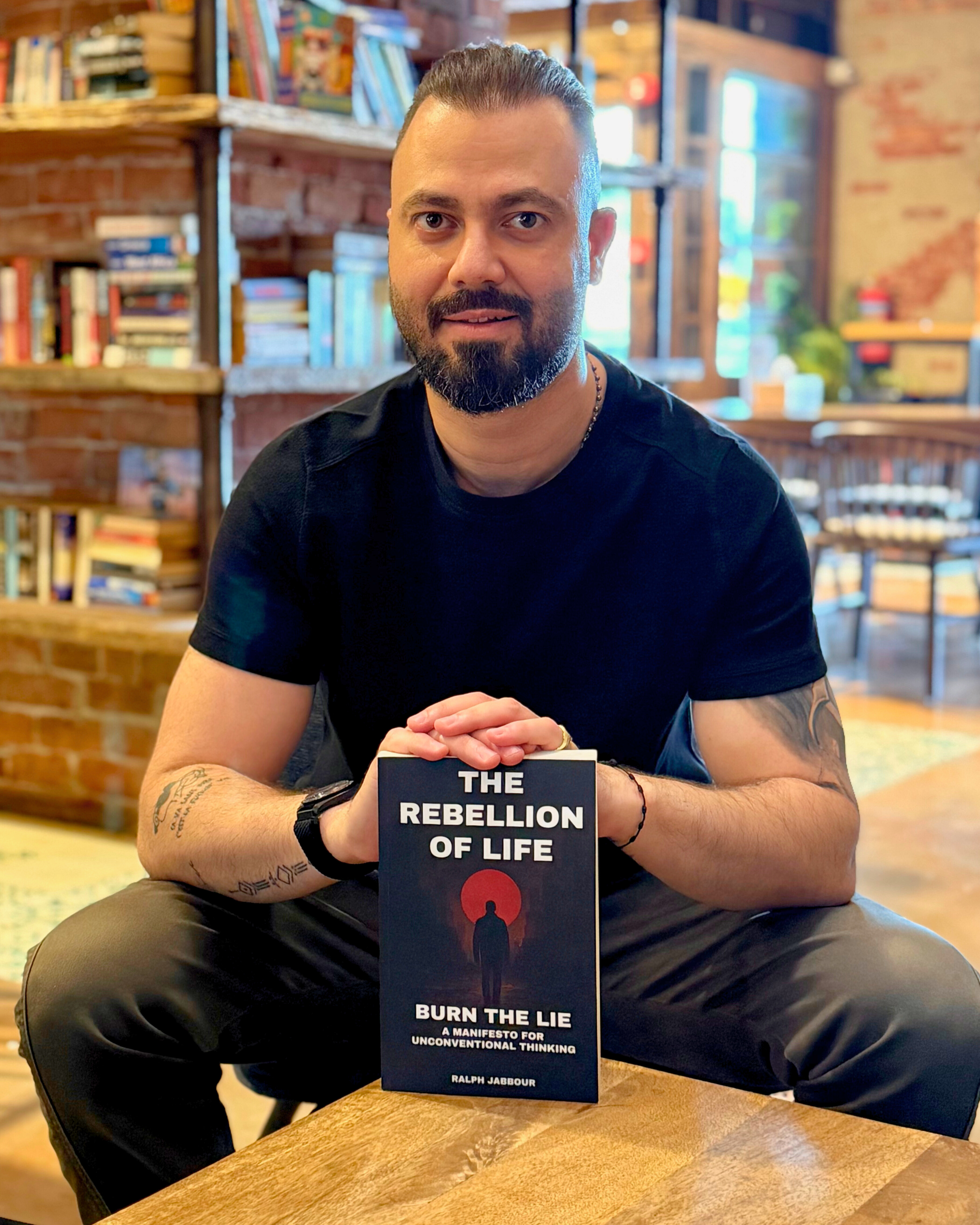
Ralph Jabbour is a Lebanese author and advisor based in Dubai. His work examines the beliefs, identities, and behavioral patterns people carry without knowing if they have chosen them, and what it costs to keep carrying them. Not as theory, but as a pattern he has spent years learning to read, first in organizations, then in people, eventually in himself.
He works with people at the point where something has to change, in how they think, how they lead, how they live, or simply in the story they've been telling themselves about who they are and what they're capable of. His work doesn't follow a formula. It follows the person. What he brings is the ability to see clearly what others are too close to see, and to say it in a way that lands without flinching. He is the author of The Rebellion of Life: Burn the Lie and the host of Letters from Rebellion.
What he offers is not a roadmap. It is a mirror, and the courage to look into it.
The Rebellion Project is the ongoing body of work that names this, exposes it, and refuses to make it comfortable.
The work begins where comfort ends. Every engagement is built around one outcome: a decision made, owned, and impossible to walk back from.
A map of what you are actually chasing, where each target was installed, and what each one is currently costing you. Not coaching. A diagnostic. You leave knowing exactly what you've been running toward and whether you ever chose it.
Built around the Six Stages of the Installed Life. One irreversible decision, the one you have been avoiding longest. Not general coaching. A surgical process that ends with a decision made, owned, and begun. Founding cohort pricing now.
Organizational dysfunction is not a strategy problem. It is an installed culture problem; systems, behaviors, and identities that outlived the problems they were designed to solve. For leadership teams ready to name what no one will say in the room.
One relationship. One year. One question: what life are you actually building, and from which principles? For the people who have read everything, followed the work for a year, and are ready to do it with someone present who will not let them look away.
All services are philosophical, educational, and experiential in nature; not clinical, therapeutic, or mental health-related. Ralph Jabbour is an author, educator, and facilitator, not a licensed medical or mental health professional.
The question Ralph puts to every audience is the same one the brand was built on: what are we actually chasing, and did anyone here choose it?
Most keynotes on leadership and culture name the symptom. The Rebellion Project names the mechanism; the installed beliefs, borrowed targets, and inherited scripts that run both individuals and organizations until something finally breaks.
Four industries. Fourteen years in Dubai. Systems analyst by training, philosopher by necessity. The room gets both, operational precision and an intellectual framework that most conference stages have not encountered at the front of the room.
The flagship talk. The happiness, stability, and status people are chasing were installed before they were old enough to question whether they wanted them. This talk names the mechanism and offers a harder claim than most rooms have heard.
For leadership teams. Organizational dysfunction is not a strategy gap, it is an identity problem. The beliefs, behaviors, and scripts that built the company are now running it into something no one designed and no one would choose if they thought about it.
On the difference between the leaders who inherit a script and execute it, and the ones who name what the script is costing before it costs everything. A talk on intellectual courage in rooms that reward compliance.
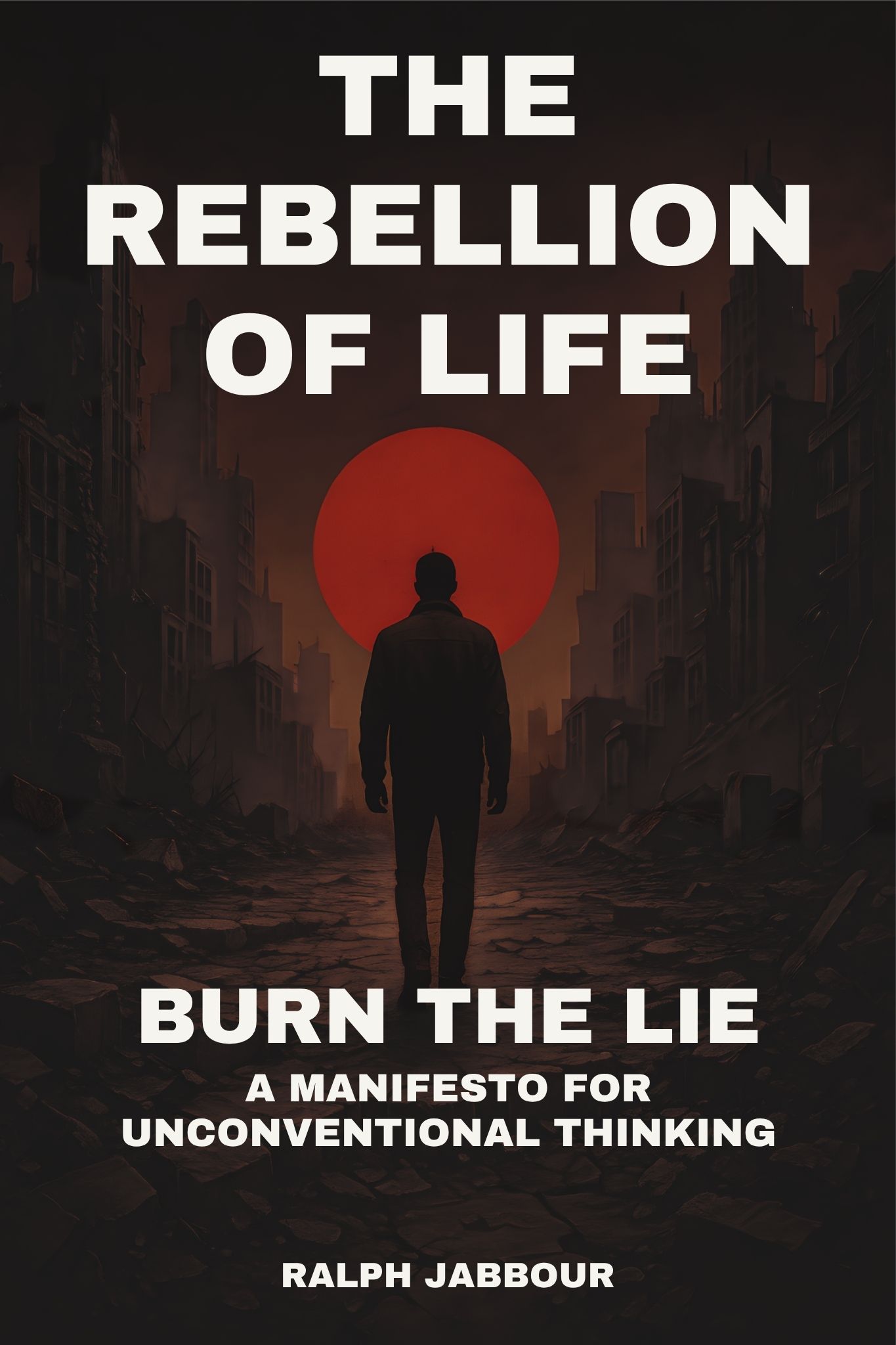
Burn the Lie
You already know something is wrong. Not with your circumstances. With the whole thing. The way you're living, what you're chasing, who you've become to keep it all running. You can feel it, even when you can't name it. This book names it.
The fears you've been managing, the choices you've been avoiding, the version of yourself you've been performing, none of it was inevitable. It was built. One small surrender at a time. The Rebellion of Life is not a self-help book. It doesn't have a morning routine, a five-step framework, or a promise that everything will work out. What it has is the one thing most people spend their entire lives avoiding: the truth about the life they're actually living, who built it, and what it's costing them every day they keep pretending it fits. Seventeen chapters. No comfort. No shortcuts. Just the kind of clarity that changes how you see everything, including yourself.
From truth to cowardice, indecision to creativity, collapse to what comes after — the book moves through the full arc of an installed life being recognized and, chapter by chapter, refused. It ends where it must: not with instructions, but with a question.
If you're done pretending, this is where it starts. Not for a better life. A truer one.
For coaching enquiries, speaking bookings, or corporate workshops — use the form below. Every message is read personally.